
LONG-TERM INSTALLATIONS
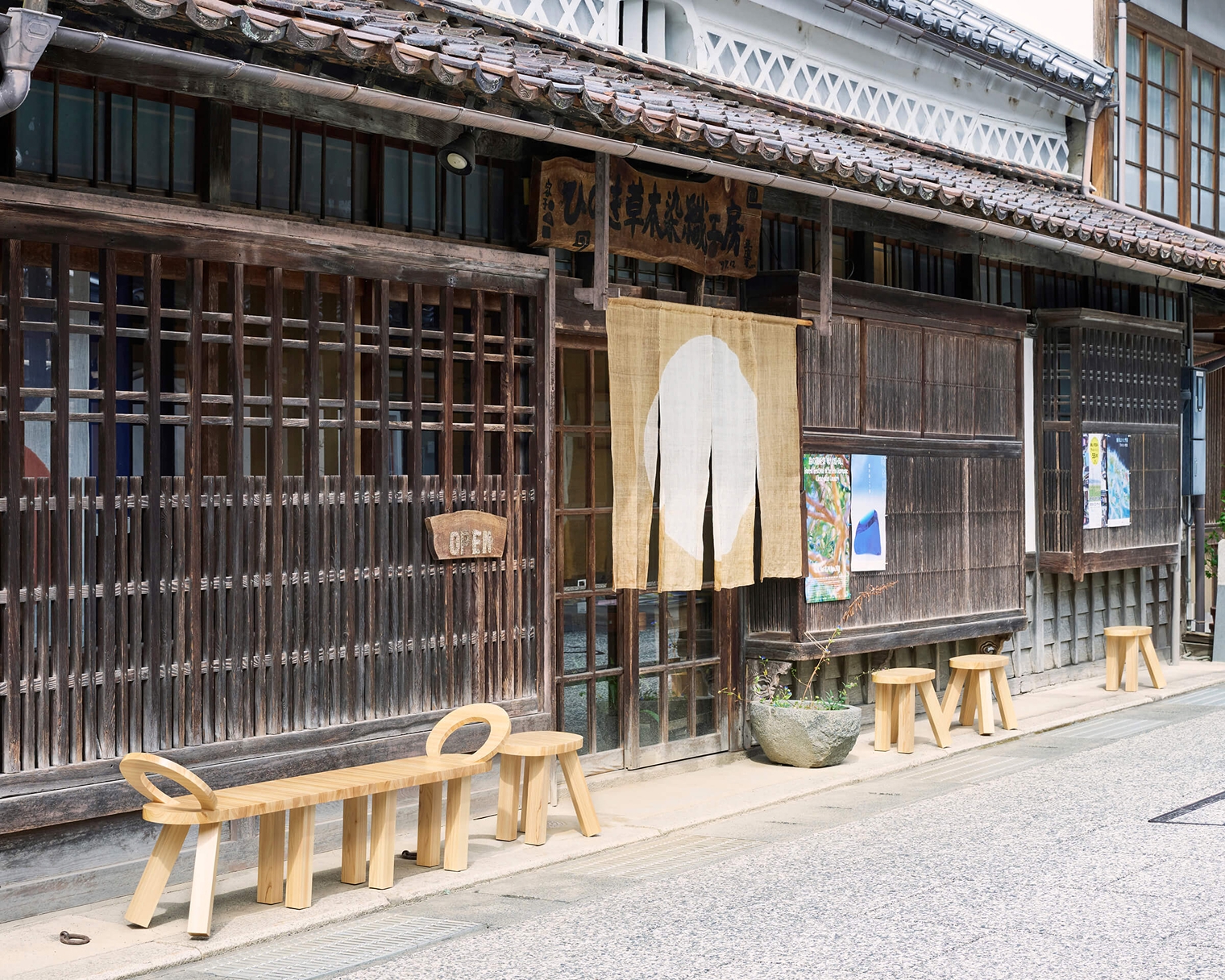
Kazuyo Sejima, ASHIATO (Footprint), 2024 / Photo by Takeshi Asano
ASHIATO (Footprint)
Kazuyo Sejima
2024
ASHIATO (Footprint) (2024) was created based on a design by Sejima, who expressed a desire to “make chairs that resemble animals or living creatures—chairs that feel as if they are enjoying the space together with people.” The work was produced by local companies using wood sourced from Okayama Prefecture. Featuring distinctive legs that evoke the image of walking animals, the chairs also have animal-like patterned seats equipped with drainage functions, combining both decorative appeal and practical elements.
The chairs are placed along Katsuyama Kaido, a historic Edo-period road where each house is adorned with its own noren curtain. Set beneath the eaves, they quietly invite visitors to explore a unique landscape.
Originally created for Forest Festival of the Arts Okayama 2024, this work now remains on long-term installation.
Artist
© SANAA
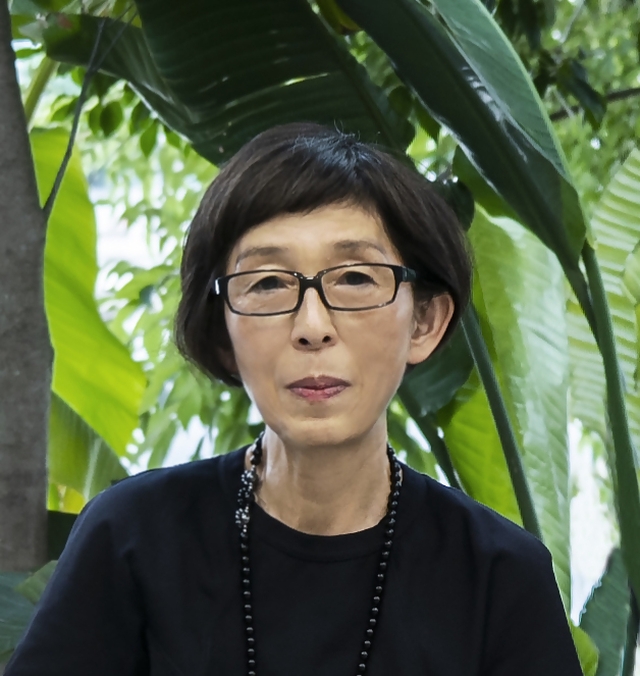
- Kazuyo Sejima
Born in 1956 Ibaraki Prefecture. Architect. Kazuyo Sejima received a degree in architecture from the Japan Woman’s University in 1981 and established her own studio in 1987. In 1995, she founded SANAA together with Ryue Nishizawa. In 2010, she was appointed director of the 12th International Architecture Exhibition of the Venice Biennale.
Sejima’s father was from Maniwa City(the former town of Katsuyama),and she has been familiar with the area from an early age. She now also serves as tourism ambassador for the city. Guided by the theme of harmonious continuity between architecture and the natural environment, Sejima has developed an international oeuvre of architectural desings that interpret and reflect their natural and social environment from a distinctive perspective, including the 21th Century Museum of Contemporary Art, Kanazawa.
Venue
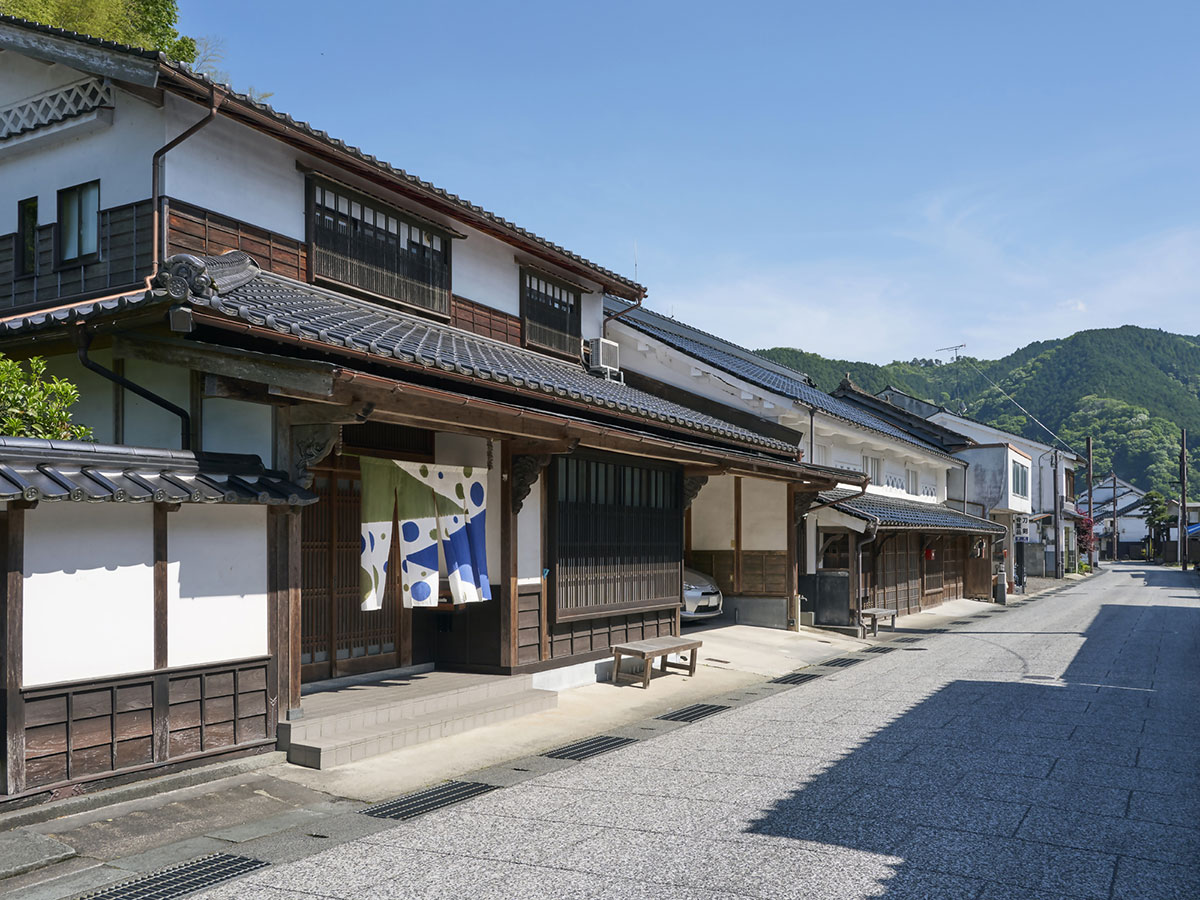
Photo by Takeshi Asano
- Maniwa City
- Katsuyama Historical Preservation District, etc
Katsuyama thrived as one of the station towns on the Izumo post road. It still retains sections of the old townscape characterized by white-walled storehouses and merchant houses with latticed windows. The townscape is made even more colorful by the rich assortment of distinctive noren curtains hanging over the entrances of each house.
- Location
- Katsuyama, Maniwa City
- Opening Hours
- -
- Parking
- Katsuyama Culture Center parking lot and others
- Regular Closing Days
- -







- Forest Festival of the Arts Okayama:
Clear-skies Country 2027 - Held in the Autumn of 2027