







Sightseeing
Please select a municipality
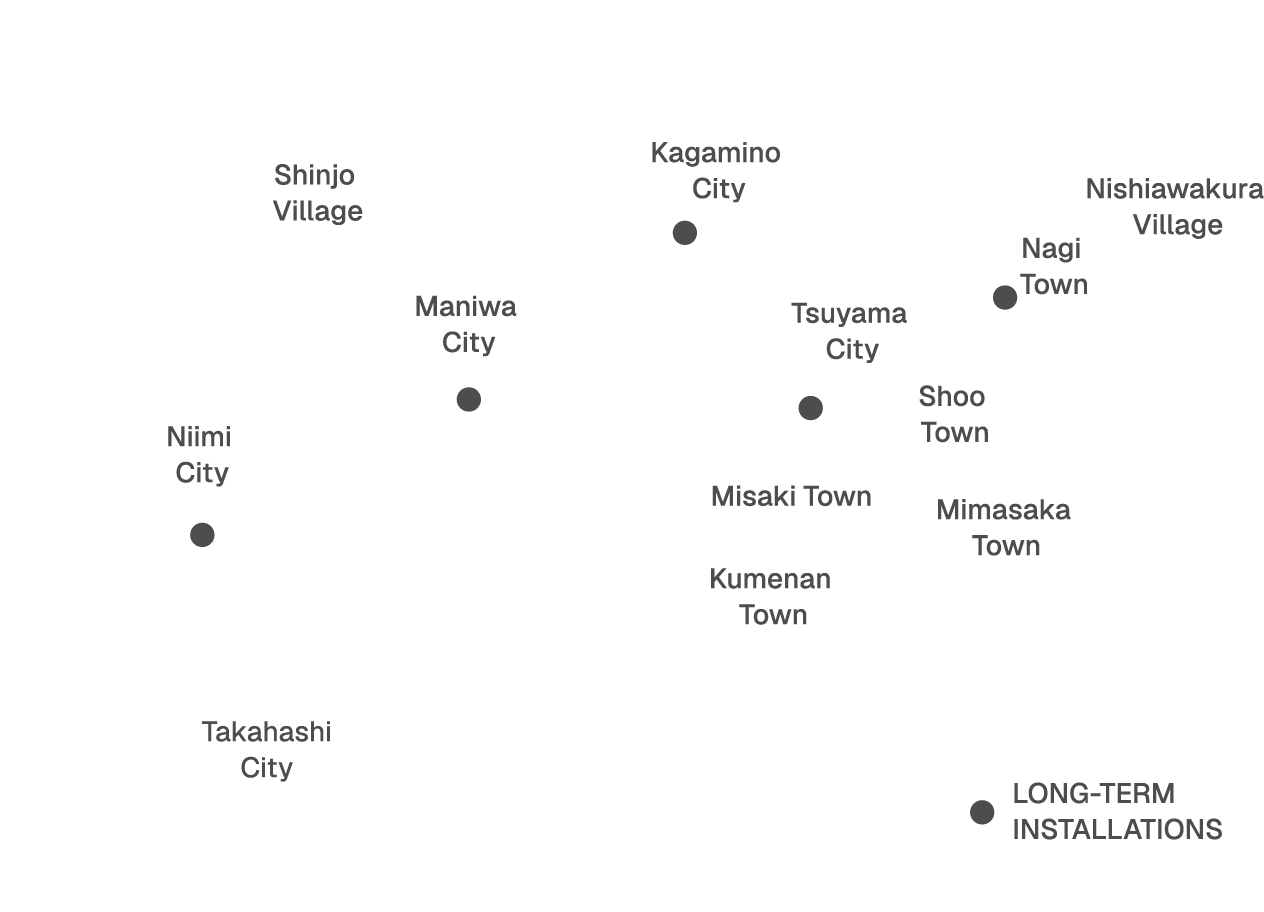
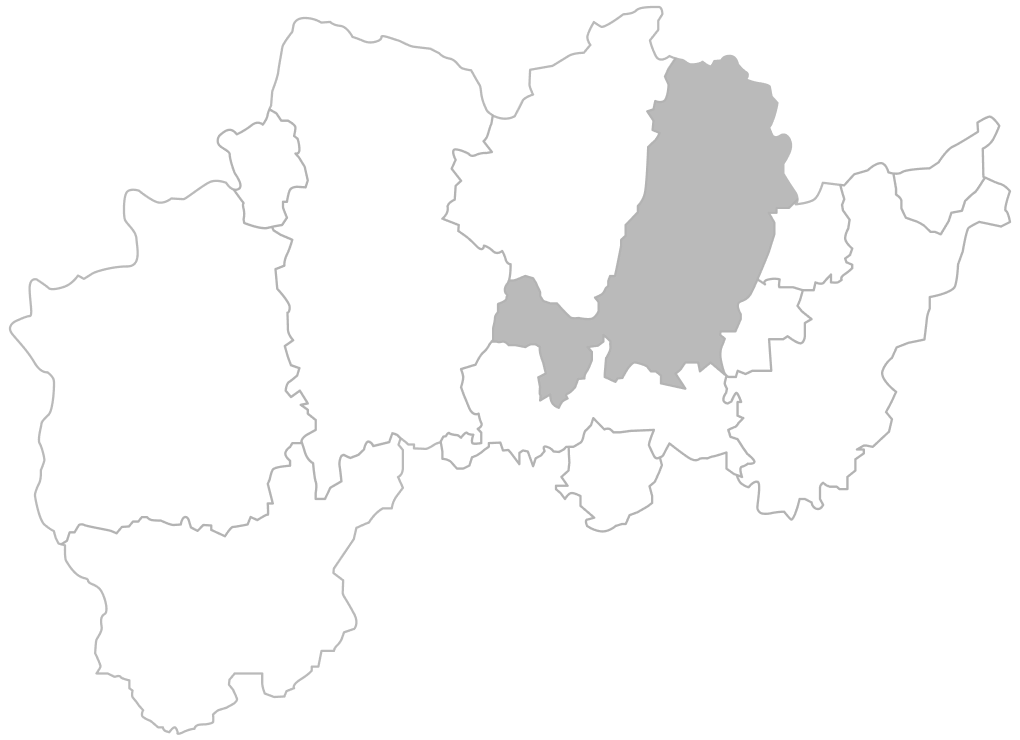
Tsuyama city
A town where the atmosphere of the castle town still lingers
Tsuyama City is a central city in the northern part of Okayama Prefecture, and a castle town stretching east and west from the starting point of the city's symbol, Tsuyama Castle (Kakuzan Park).
The "Joto District," located on the east side, retains a strong sense of old town atmosphere with wooden townhouses adorned with Edo-era motifs. The "Josei District," located on the west side, features a mix of Shinto shrine and Buddhist temple architecture and modern architecture, along with Western-style mansions that exude the Roaring Twenties style. Both areas have been designated as "Important Preservation Districts for Traditional Buildings (Chugendo)" by the government, making them places rich in historical atmosphere.
Furthermore, the atmosphere of the castle town and the abundant natural environment blend together, and there are places dotted throughout the area where you can feel the time that spans from the Edo period to the present day, such as the Daimyo Garden "Shurakuen" and the "Former Tsuyama Roundhouse," which boasts the second largest scale in the country.
Furthermore, you can enjoy our proud beef dishes that make the most of the deliciousness of meat, such as "Hormon Udon," "Sozuri Nabe," and "Hoshiniku Meat," which have been recognized by the Agency for Cultural Affairs as part of the 100 Years of Food Tradition category.
Highlights


Fine dining and souvenirs



Long-Term Installations


One-day trips/courses that can be explored by public transportation
East Area
This is a course where you can enjoy the permanent works while touring the eastern side of the exhibition area using public transportation.
- Sandra Cinto
- Giacomo Zaganelli
- Chien-Chung Liao
- Tsuyama city
- Kagamino town
- Nagi town

One-day tour with public transportation
Starting in the East Area
This course starts on the east side, allowing you to enjoy all the permanent works while touring the exhibition area using public transportation.
- Tsuyama city
- Niimi city
- Maniwa city
- Kagamino town
- Nagi town
- Giacomo Zaganelli
- Michael Lin
- Kazuyo Sejima
- Chien-Chung Liao
- Sandra Cinto

One-day tour with public transportation
Starting in the West Area
This is the western start route, where you can enjoy all the permanent works while touring the exhibition area using public transportation.
- Tsuyama city
- Niimi city
- Maniwa city
- Kagamino town
- Nagi town
- Giacomo Zaganelli
- Michael Lin
- Kazuyo Sejima
- Chien-Chung Liao
- Sandra Cinto

One-day trips/car-tour routes
East Area
This is a course where you can enjoy the permanent works while touring the eastern side of the exhibition area using a car.
- Sandra Cinto
- Giacomo Zaganelli
- Tsuyama city
- Nagi town

One night and two days tour by car
Starting in the East Area
This course starts on the east side, allowing you to enjoy all the permanent exhibits while touring the exhibition area by car.
- Tsuyama city
- Niimi city
- Maniwa city
- Kagamino town
- Nagi town
- Giacomo Zaganelli
- Michael Lin
- Kazuyo Sejima
- Chien-Chung Liao
- Sandra Cinto

One night and two days tour by car
Starting in the West Area
This is the western start course where you can enjoy all the permanent exhibits while touring the exhibition area by car.
- Tsuyama city
- Niimi city
- Maniwa city
- Kagamino town
- Nagi town
- Giacomo Zaganelli
- Michael Lin
- Kazuyo Sejima
- Chien-Chung Liao
- Sandra Cinto
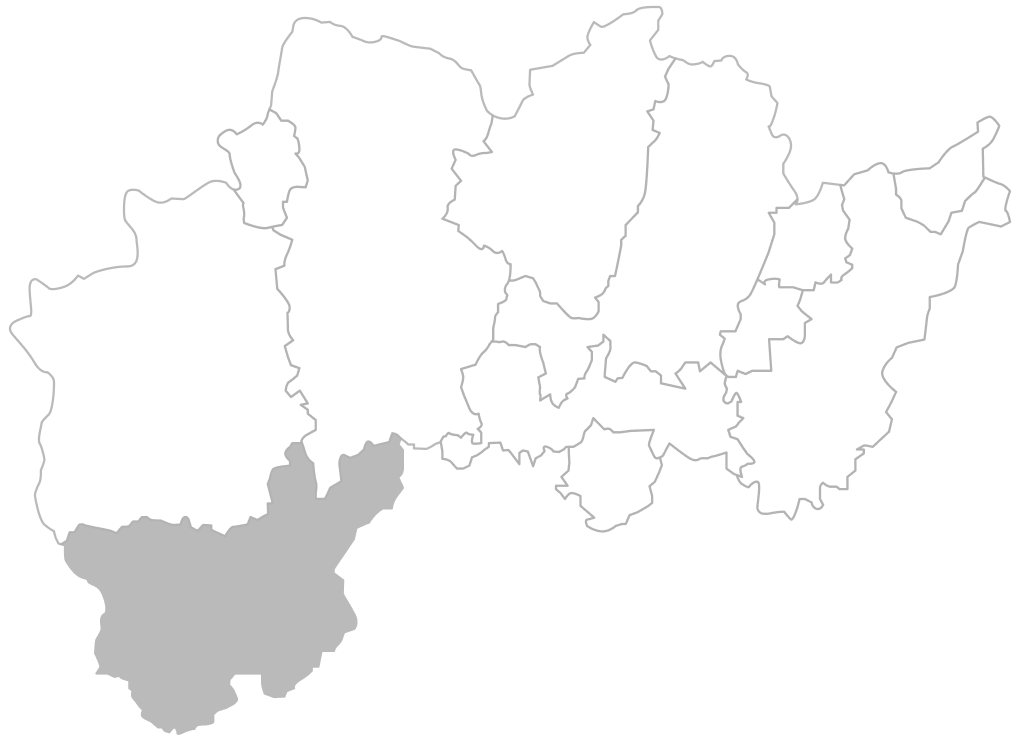
Takahashi city
A town where "Sky Castle in the Sky" and "Japan Red" stand out
Takahashi City has long developed as a castle town, and the mountainous area is also abundant in fruit and vegetable farming that takes advantage of the cool highland region. This is a town where nature, life, and tradition are intertwined.
In particular, Bitchumatsuyama Castle is one of the 12 surviving keep structures, and is now known as the "Sky Castle," as a fanciful mountain castle floating in the clouds.
Furthermore, the Fukiya district, which flourished thanks to copper and a spout handle, has been designated a brand associated with Fukiya as the birthplace of the Japan Heritage "Japan Red," allowing you to enjoy Japanese tea and craft beer.
Highlights


Fine dining and souvenirs


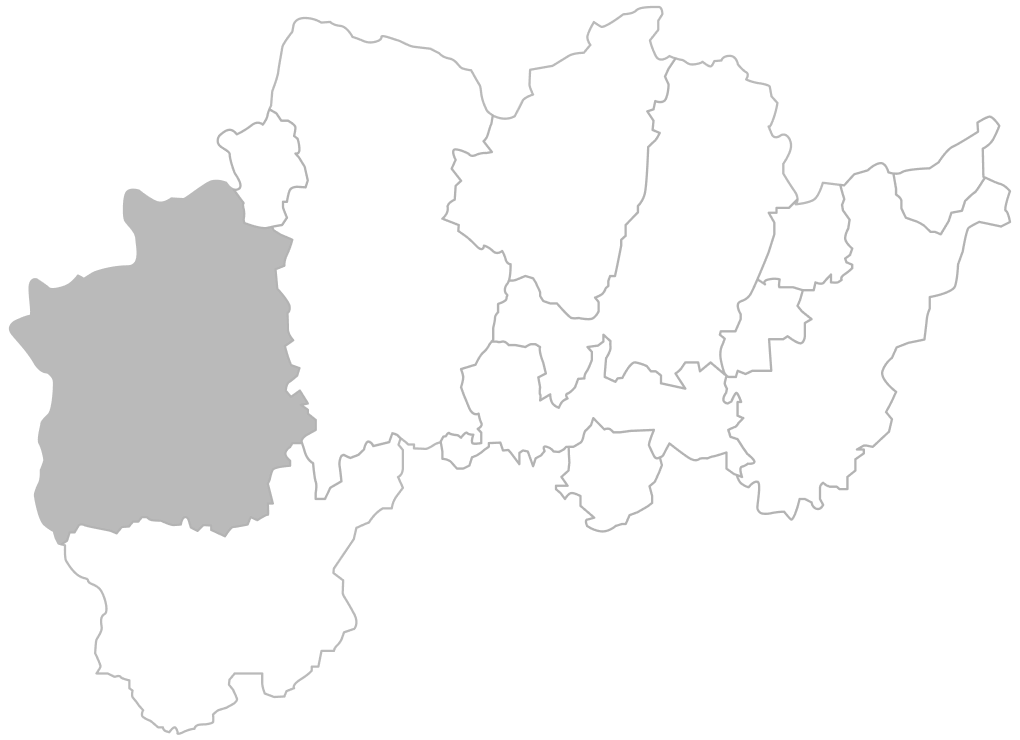
Niimi city
A town that coexists with nature, where the mystery of the underground and the brilliance of clear streams come together
Niimi City is located at the source of the high-class river Takahash River, and is a region rich in clean water and nature. In the southern part of the city, a karstic plateau spreads out, and several stalactite caves can be found.
At Makido Cave and Ikarudo Cave, typical limestone caves, the natural beauty created over the course of time is brightly illuminated, creating an enchanting world.
In addition, it is known for its "Chiya Beef," which is the oldest type of Japanese beef, and is characterized by its fine texture and the sweetness of the meat. It is tender and has a rich, high-quality flavor.
Highlights


Fine dining and souvenirs


Long-Term Installations


One-day trips/courses that can be explored by public transportation
West Area
This is a course where you can enjoy the permanent works while touring the western side of the exhibition area using public transportation.
- Michael Lin
- Kazuyo Sejima
- Niimi city
- Maniwa city
One-day tour with public transportation
Starting in the East Area
This course starts on the east side, allowing you to enjoy all the permanent works while touring the exhibition area using public transportation.
- Tsuyama city
- Niimi city
- Maniwa city
- Kagamino town
- Nagi town
- Giacomo Zaganelli
- Michael Lin
- Kazuyo Sejima
- Chien-Chung Liao
- Sandra Cinto
One-day tour with public transportation
Starting in the West Area
This is the western start route, where you can enjoy all the permanent works while touring the exhibition area using public transportation.
- Tsuyama city
- Niimi city
- Maniwa city
- Kagamino town
- Nagi town
- Giacomo Zaganelli
- Michael Lin
- Kazuyo Sejima
- Chien-Chung Liao
- Sandra Cinto

One-day trips/car-tour routes
West Area
This is a course where you can enjoy the permanent works while touring the western side of the exhibition area using a car.
- Chien-Chung Liao
- Michael Lin
- Kazuyo Sejima
- Niimi city
- Maniwa city
- Kagamino town
One night and two days tour by car
Starting in the East Area
This course starts on the east side, allowing you to enjoy all the permanent exhibits while touring the exhibition area by car.
- Tsuyama city
- Niimi city
- Maniwa city
- Kagamino town
- Nagi town
- Giacomo Zaganelli
- Michael Lin
- Kazuyo Sejima
- Chien-Chung Liao
- Sandra Cinto
One night and two days tour by car
Starting in the West Area
This is the western start course where you can enjoy all the permanent exhibits while touring the exhibition area by car.
- Tsuyama city
- Niimi city
- Maniwa city
- Kagamino town
- Nagi town
- Giacomo Zaganelli
- Michael Lin
- Kazuyo Sejima
- Chien-Chung Liao
- Sandra Cinto
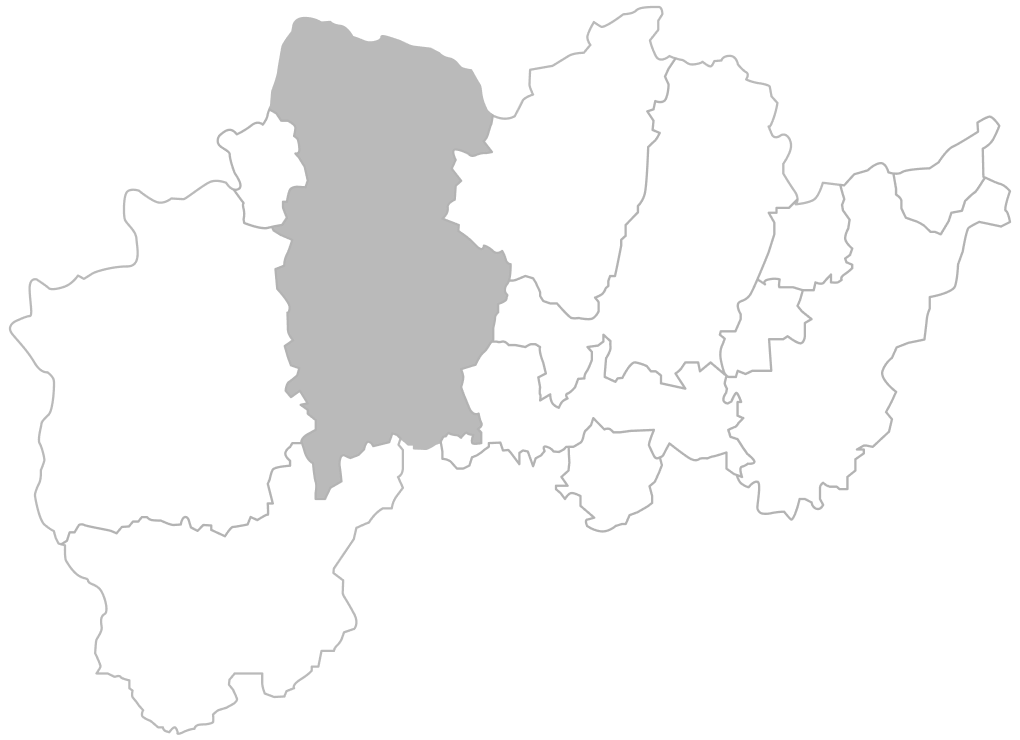
Maniwa city
A community that thrives through harmony with the environment, nurtured by forests and highlands
Maniwa City is known nationwide as a town where forestry and the timber industry have flourished, utilizing its abundant forest resources.
At "GREENable HIRUZEN," you can experience sustainable living through fun activities, including the CLT pavilion "Wind Leaves" designed and supervised by architect Kuma Kengo, as well as the museum, store, and activities.
In the Hiruzen region, which boasts vast grasslands spread across a gentle plateau, dairy farming is thriving, and you can enjoy the dairy products of the Jersey cows, which boast the highest herd size in Japan.
Highlights


Long-Term Installations

One-day trips/courses that can be explored by public transportation
West Area
This is a course where you can enjoy the permanent works while touring the western side of the exhibition area using public transportation.
- Michael Lin
- Kazuyo Sejima
- Niimi city
- Maniwa city
One-day tour with public transportation
Starting in the East Area
This course starts on the east side, allowing you to enjoy all the permanent works while touring the exhibition area using public transportation.
- Tsuyama city
- Niimi city
- Maniwa city
- Kagamino town
- Nagi town
- Giacomo Zaganelli
- Michael Lin
- Kazuyo Sejima
- Chien-Chung Liao
- Sandra Cinto
One-day tour with public transportation
Starting in the West Area
This is the western start route, where you can enjoy all the permanent works while touring the exhibition area using public transportation.
- Tsuyama city
- Niimi city
- Maniwa city
- Kagamino town
- Nagi town
- Giacomo Zaganelli
- Michael Lin
- Kazuyo Sejima
- Chien-Chung Liao
- Sandra Cinto
One-day trips/car-tour routes
West Area
This is a course where you can enjoy the permanent works while touring the western side of the exhibition area using a car.
- Chien-Chung Liao
- Michael Lin
- Kazuyo Sejima
- Niimi city
- Maniwa city
- Kagamino town
One night and two days tour by car
Starting in the East Area
This course starts on the east side, allowing you to enjoy all the permanent exhibits while touring the exhibition area by car.
- Tsuyama city
- Niimi city
- Maniwa city
- Kagamino town
- Nagi town
- Giacomo Zaganelli
- Michael Lin
- Kazuyo Sejima
- Chien-Chung Liao
- Sandra Cinto
One night and two days tour by car
Starting in the West Area
This is the western start course where you can enjoy all the permanent exhibits while touring the exhibition area by car.
- Tsuyama city
- Niimi city
- Maniwa city
- Kagamino town
- Nagi town
- Giacomo Zaganelli
- Michael Lin
- Kazuyo Sejima
- Chien-Chung Liao
- Sandra Cinto
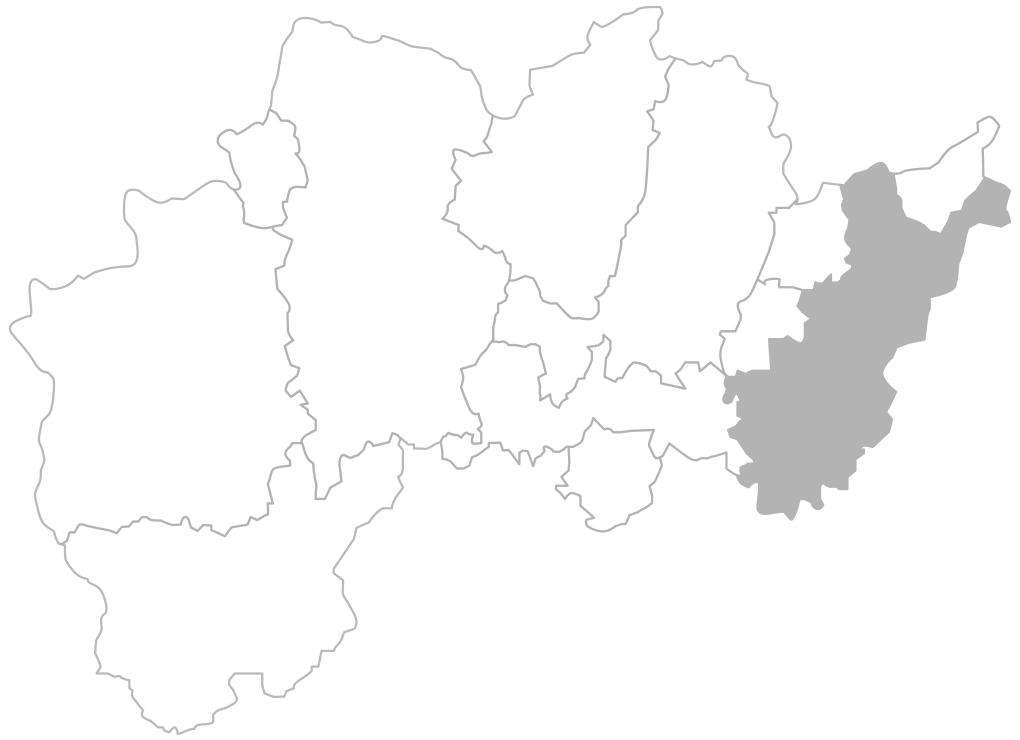
Mimasaka city
A town where Idenoyu and history are fragrant, making for beautiful scenery
MImasaka City has long been known as a hot spring resort, and has been developing along with the hot spring culture centered on “Yunogo Onsen,” one of the “Mimasaka Three Hot Springs.”
It is also a town filled with historical charm, featuring a hot spring town with a nostalgic atmosphere, the "Musashi no Sato" area where it is said that the legendary warrior Musashi Miyamoto was born, and the Historic Streetscape Preservation District, where rare remnants of the old Inaba Road remain.
"Mimasaka Bancha" is a traditional tea characterized by its sun-drying method, and is a masterpiece with a history that is said to have reached as far as Musashi.
Highlights


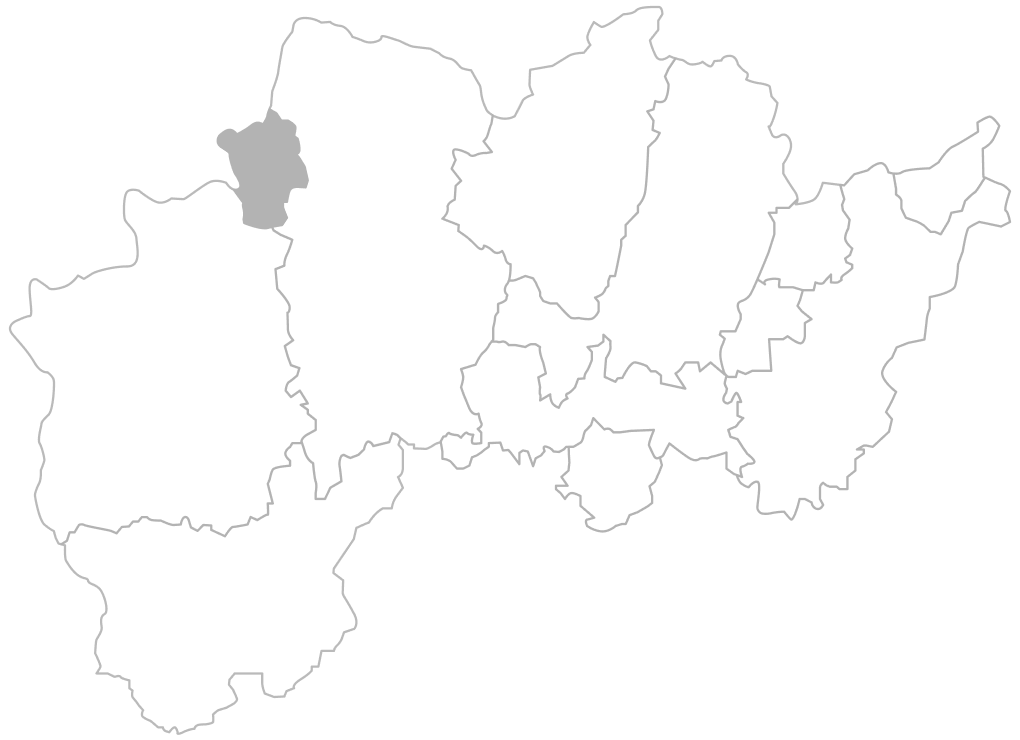
Shinjo village
A bustling town on the Izumo Road where the Gaisen cherry blossoms bloom
Shinjo Village is located in a mountainous area surrounded by a range of mountains with an elevation of 1,000 meters, including the main peak of Mt. Kenashi. The village is rich in nature, with more than 90% of its area occupied by forests.
The town prospered as a trading post on the Izumo Road, and in the "Gaiisen Sakura Boulevard," 133 cherry trees planted approximately every 5.5 meters bloom in spring, creating a tunnel of beautiful cherry trees that represents the spring in Shinjo Village.
In addition, forestry and rice cultivation are thriving in the source basin, taking advantage of the beautiful clear streams and fertile land, and the area is known for its production of himenomochi rice in particular.
Highlights


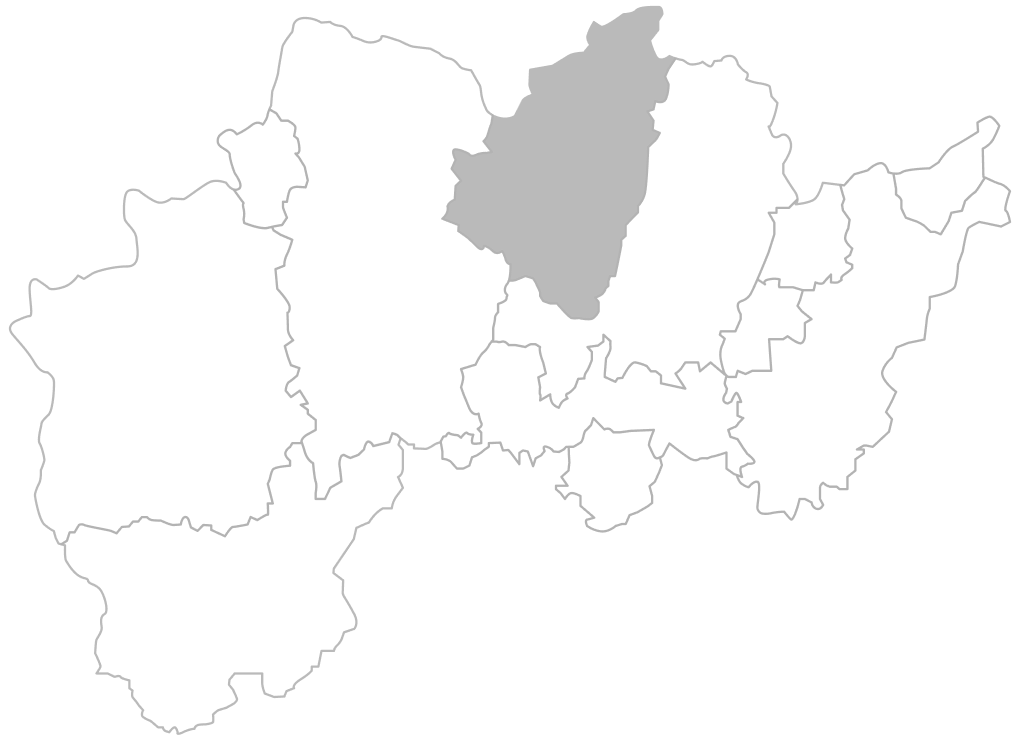
Kagamino town
A town with four seasons of beauty created by clear streams and valley beauty
Kagamino Town is blessed with cultural and artistic resources, hot springs, and lush natural environments against the backdrop of the Chugoku mountains.
The "Gypso Forest Glass Museum" in the northern part of the town is a museum dedicated to uranium glass, which is a rare and unique material worldwide. The glass workshop offers glassblowing experiences.
There are several hot springs in the town, including Okutsu Onsen, which is the beauty spot of Mimasaka, and Notoro Onsen Sky Hot Spring.
In Okutsukei, you can also enjoy the clear stream, and in autumn, the breathtaking autumn leaves spread across the valley, offering a wonderful view of the valley beauty.
There are specialty products such as "Hime-hot chili pepper" and "Hirame (Amago)," which you can purchase at Mizunosato Okutsu Lake.
Highlights


Long-Term Installations

One-day trips/courses that can be explored by public transportation
East Area
This is a course where you can enjoy the permanent works while touring the eastern side of the exhibition area using public transportation.
- Sandra Cinto
- Giacomo Zaganelli
- Chien-Chung Liao
- Tsuyama city
- Kagamino town
- Nagi town
One-day tour with public transportation
Starting in the East Area
This course starts on the east side, allowing you to enjoy all the permanent works while touring the exhibition area using public transportation.
- Tsuyama city
- Niimi city
- Maniwa city
- Kagamino town
- Nagi town
- Giacomo Zaganelli
- Michael Lin
- Kazuyo Sejima
- Chien-Chung Liao
- Sandra Cinto
One-day tour with public transportation
Starting in the West Area
This is the western start route, where you can enjoy all the permanent works while touring the exhibition area using public transportation.
- Tsuyama city
- Niimi city
- Maniwa city
- Kagamino town
- Nagi town
- Giacomo Zaganelli
- Michael Lin
- Kazuyo Sejima
- Chien-Chung Liao
- Sandra Cinto
One-day trips/car-tour routes
West Area
This is a course where you can enjoy the permanent works while touring the western side of the exhibition area using a car.
- Chien-Chung Liao
- Michael Lin
- Kazuyo Sejima
- Niimi city
- Maniwa city
- Kagamino town
One night and two days tour by car
Starting in the East Area
This course starts on the east side, allowing you to enjoy all the permanent exhibits while touring the exhibition area by car.
- Tsuyama city
- Niimi city
- Maniwa city
- Kagamino town
- Nagi town
- Giacomo Zaganelli
- Michael Lin
- Kazuyo Sejima
- Chien-Chung Liao
- Sandra Cinto
One night and two days tour by car
Starting in the West Area
This is the western start course where you can enjoy all the permanent exhibits while touring the exhibition area by car.
- Tsuyama city
- Niimi city
- Maniwa city
- Kagamino town
- Nagi town
- Giacomo Zaganelli
- Michael Lin
- Kazuyo Sejima
- Chien-Chung Liao
- Sandra Cinto
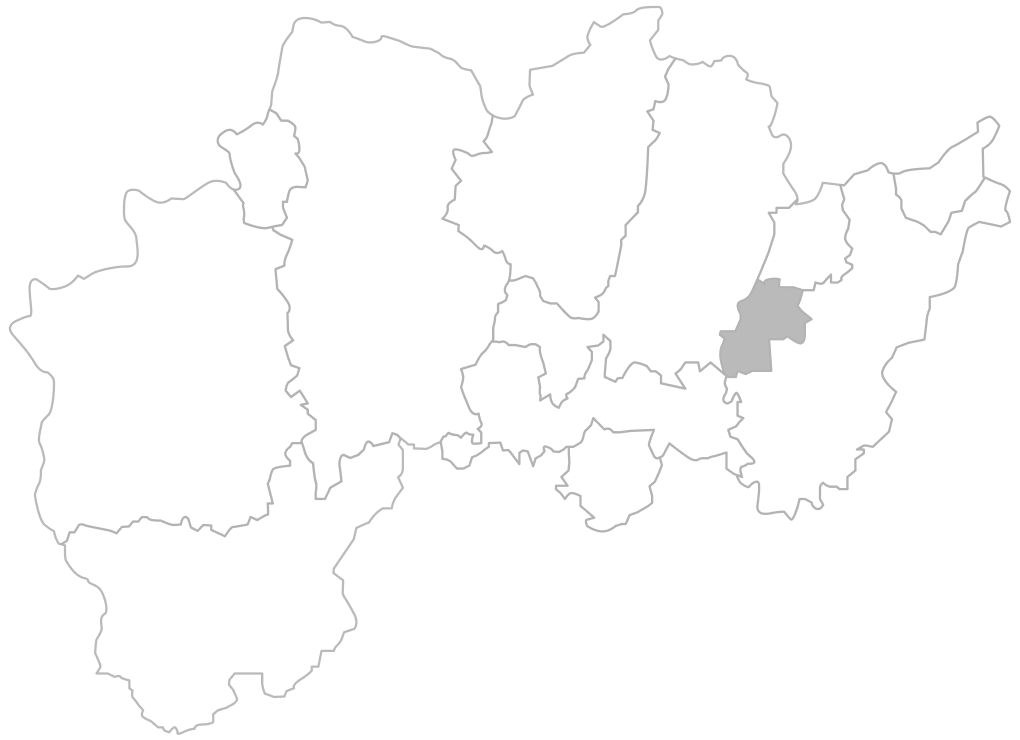
Shoo town
A place associated with Kintaro, a town of wealth and good fortune
Shoo Town has gently sloping hills in the north, with the central and southern parts being open and naturally rich towns along the Taki River that runs through the town from north to south.
It is said to be the final resting place of "Sakata Kintoki," known by the name of Kintaro. He is enshrined in Kurikara Shrine. A magnificent Kintaro statue has also been erected in Nakanocho Park.
Furthermore, the town has been designated as a “Katsura Brand” based on the auspicious name that coincides with the word “Katsu,” which means “victory.” Products featuring Okayama sweet chestnuts grown locally are sold in the town.
Highlights


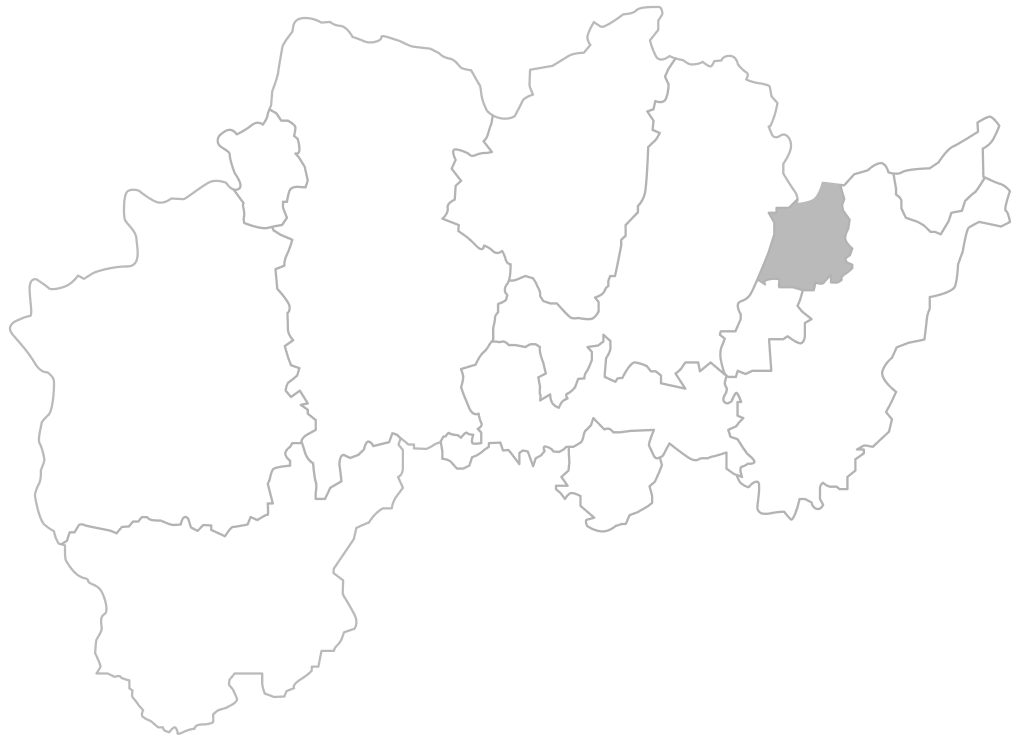
Nagi town
A town where majestic nature and contemporary art blend together
Nagi Cho is located at the southern foot of Mount Nagi, where you can enjoy magnificent views that harmonize with nature throughout the seasons.
The Nagi Town Contemporary Art Museum, designed by the world-renowned architect Arata Isozaki, is the first ever museum experience in the world where the artwork and the building are integrated permanently into one.
Furthermore, it is known for its Nagibeef, which is derived from the oldest type of Japanese beef strain and is raised on designated farms within the town using the Katsui region specialty black soybeans "Sakushu-kuro", which are known for their low bitterness and rich flavor balance.
Highlights


Fine dining and souvenirs


Long-Term Installations

One-day trips/courses that can be explored by public transportation
East Area
This is a course where you can enjoy the permanent works while touring the eastern side of the exhibition area using public transportation.
- Sandra Cinto
- Giacomo Zaganelli
- Chien-Chung Liao
- Tsuyama city
- Kagamino town
- Nagi town
One-day tour with public transportation
Starting in the East Area
This course starts on the east side, allowing you to enjoy all the permanent works while touring the exhibition area using public transportation.
- Tsuyama city
- Niimi city
- Maniwa city
- Kagamino town
- Nagi town
- Giacomo Zaganelli
- Michael Lin
- Kazuyo Sejima
- Chien-Chung Liao
- Sandra Cinto
One-day tour with public transportation
Starting in the West Area
This is the western start route, where you can enjoy all the permanent works while touring the exhibition area using public transportation.
- Tsuyama city
- Niimi city
- Maniwa city
- Kagamino town
- Nagi town
- Giacomo Zaganelli
- Michael Lin
- Kazuyo Sejima
- Chien-Chung Liao
- Sandra Cinto
One-day trips/car-tour routes
East Area
This is a course where you can enjoy the permanent works while touring the eastern side of the exhibition area using a car.
- Sandra Cinto
- Giacomo Zaganelli
- Tsuyama city
- Nagi town
One night and two days tour by car
Starting in the East Area
This course starts on the east side, allowing you to enjoy all the permanent exhibits while touring the exhibition area by car.
- Tsuyama city
- Niimi city
- Maniwa city
- Kagamino town
- Nagi town
- Giacomo Zaganelli
- Michael Lin
- Kazuyo Sejima
- Chien-Chung Liao
- Sandra Cinto
One night and two days tour by car
Starting in the West Area
This is the western start course where you can enjoy all the permanent exhibits while touring the exhibition area by car.
- Tsuyama city
- Niimi city
- Maniwa city
- Kagamino town
- Nagi town
- Giacomo Zaganelli
- Michael Lin
- Kazuyo Sejima
- Chien-Chung Liao
- Sandra Cinto
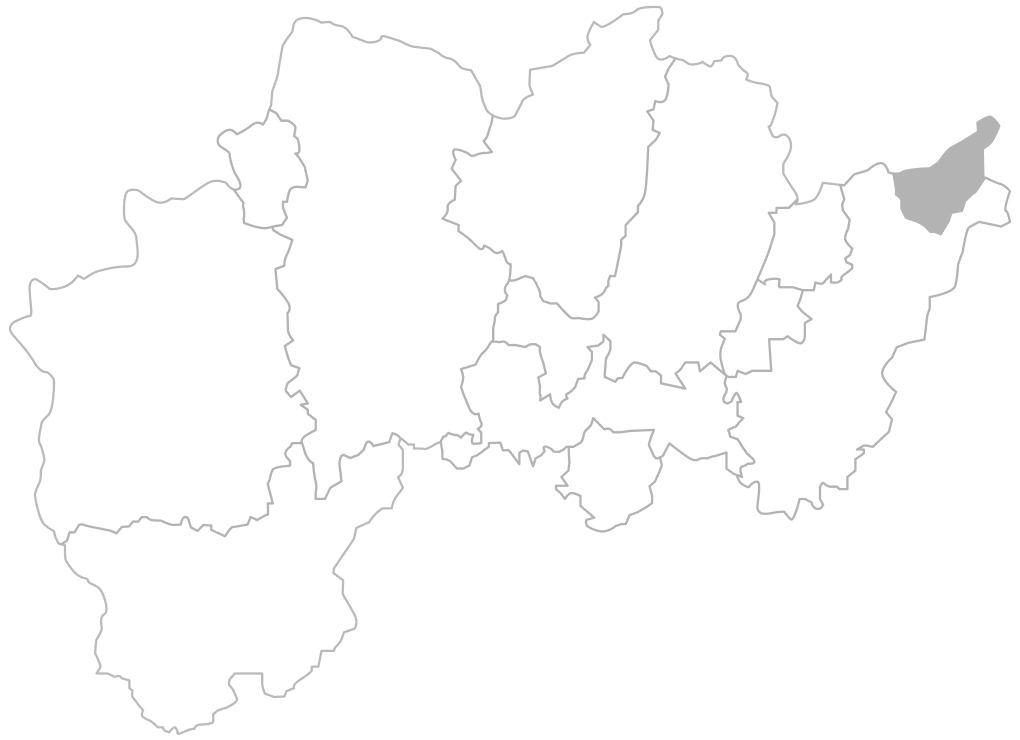
Nishiawakura village
A city that connects the Centennial Forest to the future through circularity
Nishiawakura Village is a mountain village located on the southern slope of the Cyugoku Mountains. In the midst of a lush fishing bell-shaped landscape, the clear stream Yoshino River flows, and along its banks there are wide, elongated plains with agricultural fields and villages.
With the goal of “A Forest Plan for a Hundred Years,” they are challenging the management of forests, the commercialization of timber, and the introduction of renewable energy to ensure that forests will be passed on to future generations, attracting attention as a base for immigration and entrepreneurship.
In addition, you can enjoy wood crafts made from the village's hinoki trees and craft beer that offers a forest scent.
Highlights


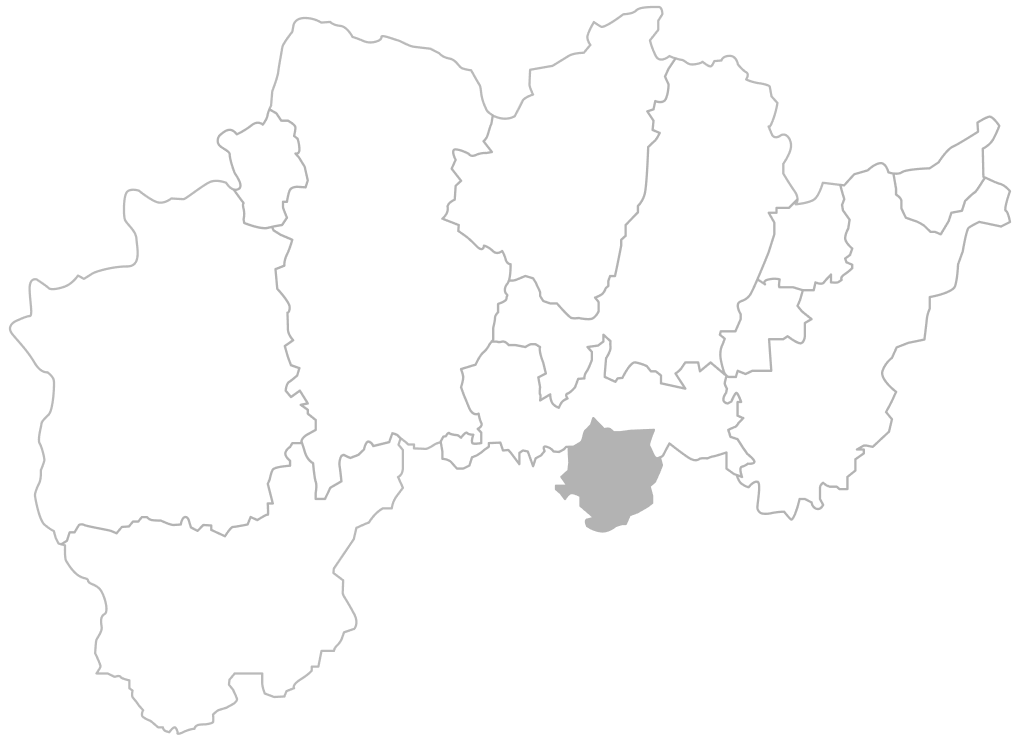
Kumenan town
A town of haiku with a natural landscape that is a charm
Kumenan Cho is blessed with nature and culture, and is known as a town of haiku poetry and also as the birthplace of Honen Shonin (a Buddhist monk).
At Roadside Station "Kumenan", there is a wide selection of dishes made with local ingredients and souvenirs available, making it the perfect place for dining and relaxing. You can also enjoy the seasonal scenery around the station.
In addition, yuzu accounts for a large portion of the prefecture’s production, and its peel and juice are used in many processed products such as confectionery and juices.
Highlights


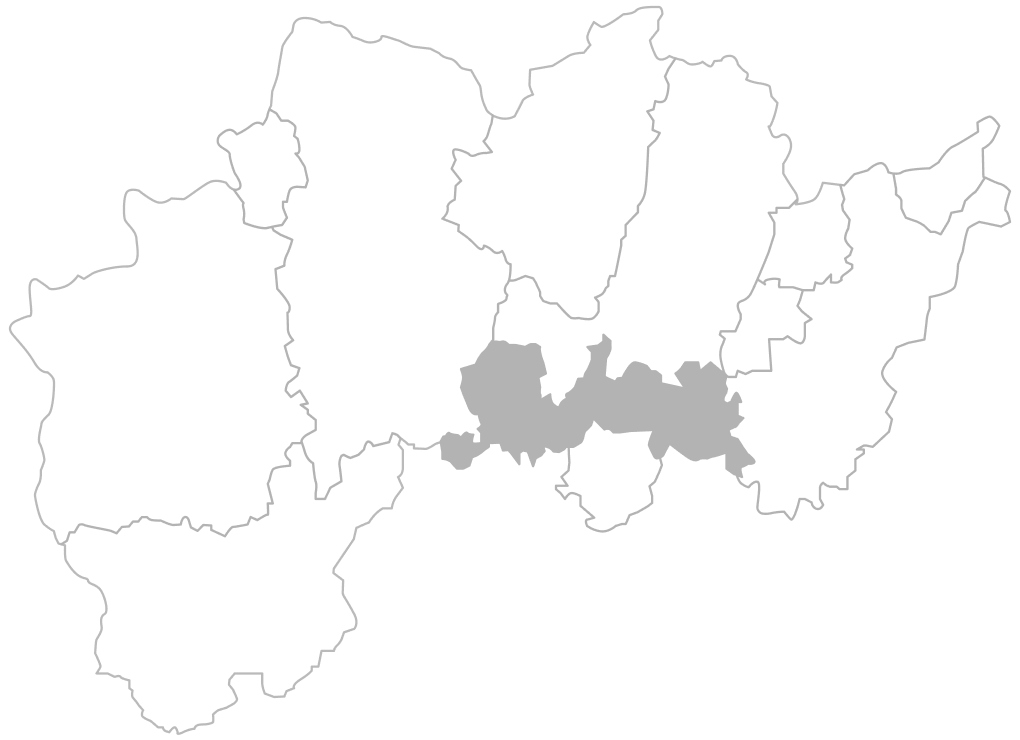
Misaki town
A town adorned with terraced rice fields, the holy place of tempura rice bowl cooking
MIsaki Town is characterized by its nostalgic rural landscape, with the Yohii River flowing to the east and the Asahikawa River flowing to the west, two of the three major rivers in the prefecture. The area is also home to beautiful terraced rice fields.
Among them, the “Ohaganishi Rice terraces” selected as one of the “100 Best Japanese Rice Terrace Designs” and the “Tsunagu Rice Terrace Heritage” feature approximately 750 terraces spread out in a 360-degree bowl-shaped arrangement in a mountainous area at an elevation of 400 meters, offering various scenic views throughout the four seasons.
It is also known as the holy place for Tamago Kake Gohan, and approximately 40,000 people visit specialty stores in the town every year to get Tamago Kake Gohan.
Highlights


Fine dining and souvenirs


Please select a municipality